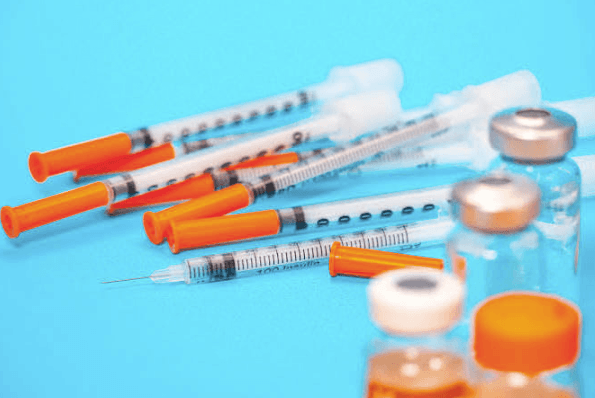
For patients managing diabetes through injectable insulin therapy, understanding the insulin syringe and what distinguishes it from general-purpose syringes helps support safe, accurate medication administration. This overview covers the specific design features that make this syringe type appropriate for its specialized purpose.
Fine Calibration for Precise Dosing
The defining characteristic of an insulin syringe is its fine calibration markings, specifically scaled to measure insulin doses accurately, reflecting the fact that even small dosing errors with insulin can have meaningful clinical consequences for blood glucose management.
Units Rather Than Milliliters
Unlike general-purpose syringes calibrated in milliliters, insulin syringes are calibrated in units, matching the standard measurement convention used for insulin dosing, which helps prevent the calculation errors that could occur if patients needed to convert between different measurement systems.
Integrated Fine Needle Design
Insulin syringes typically feature a permanently attached, very fine needle appropriate for subcutaneous injection, the standard administration route for insulin therapy, distinguishing this design from syringes intended for other injection routes or requiring separate needle attachment.
Why Precision Matters More for Insulin Than Many Other Medications
Given that insulin dosing often involves relatively small unit quantities where even modest measurement errors could represent a meaningful percentage of the total prescribed dose, the fine calibration specific to insulin syringes plays a particularly important role in supporting safe, accurate self-administration.
Single-Use Design for Infection Prevention
Like most modern syringes, insulin syringes are designed for single use, supporting both sterility and consistent needle sharpness for each injection, important considerations for patients who may be administering multiple daily injections over an extended treatment period.
Learning More About Insulin Syringe Design
For a more detailed look at the specific design features and considerations relevant to this specialized syringe type, reviewing information on the insulin syringe helps clarify how its design supports safe, accurate diabetes management.
Supporting Patient Education on Proper Use
Given the ongoing, frequent nature of insulin self-administration for many patients, clear patient education on proper syringe use, including correct dose measurement and injection technique, represents an essential complement to appropriate device selection.
See also: Everyone’s Arguing About Dihexa Capsules vs. Injections. That’s the Wrong Fight.
Frequently Asked Questions
Why are insulin syringes calibrated in units rather than milliliters? This calibration matches the standard measurement convention used for insulin dosing, helping prevent calculation errors that could occur if patients needed to convert between different measurement systems.
Why does precise calibration matter particularly for insulin dosing? Insulin dosing often involves relatively small unit quantities where even modest measurement errors could represent a meaningful percentage of the total prescribed dose, making fine calibration particularly important for safety.
Are insulin syringes designed for reuse? No, like most modern syringes, insulin syringes are designed for single use, supporting both sterility and consistent needle sharpness for each injection.
Final Thoughts
Understanding the specialized design features of the insulin syringe, including its fine unit calibration and integrated fine needle, helps clarify why this device differs meaningfully from general-purpose syringes. This design knowledge supports both appropriate device selection and effective patient education for safe, accurate diabetes self-management.
