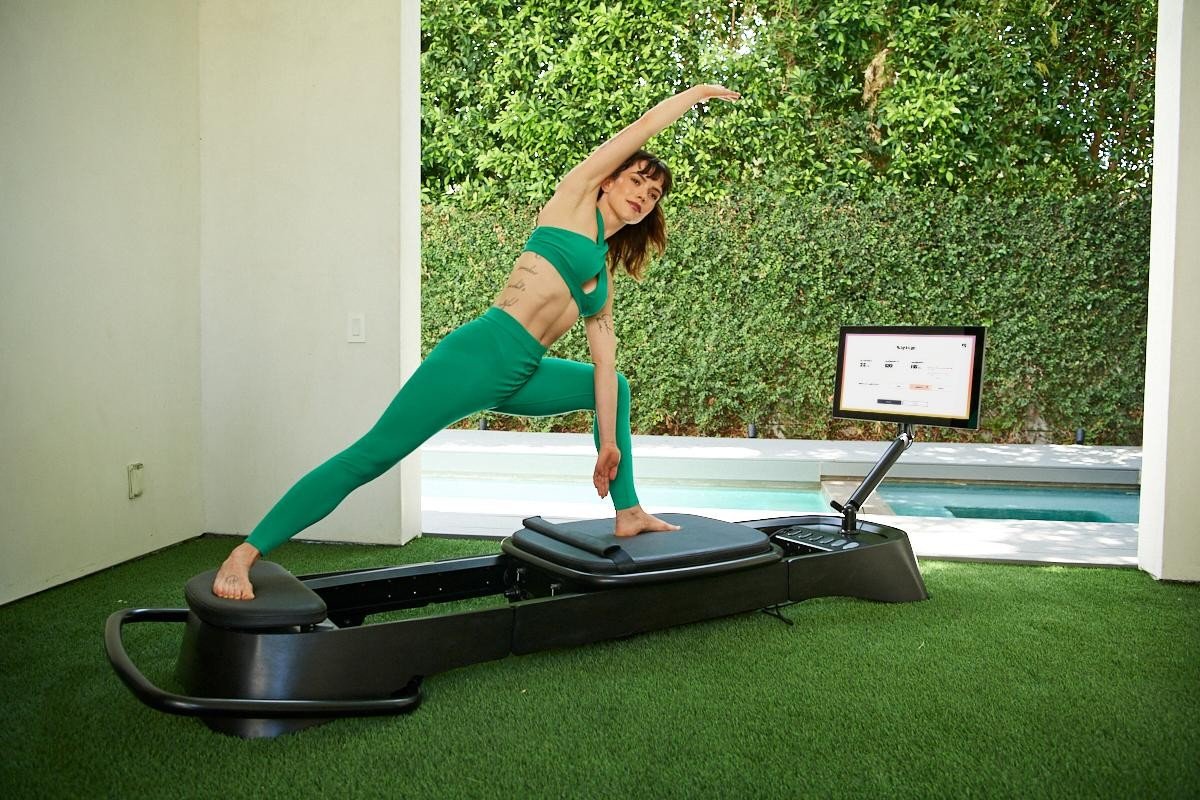
Buying a Pilates reformer machine for home use can change the way you approach your regular workouts. Instead of travelling to a studio for every session, you can have equipment available whenever your schedule allows. A reformer can also provide more exercise variety than a basic mat and can be adjusted as your experience develops.
The choice deserves some thought, though. Pilates reformers come in different sizes, designs, resistance systems, materials, and adjustment options. A machine that works well for one person may not be practical for another.
Before you buy Pilates reformer machine, think about how you plan to use it, where you will keep it, and which features actually matter for your routine. Looking at these details beforehand can help you avoid purchasing equipment that ends up taking up space without being used regularly.
Think About Why You Want a Reformer
Start by considering what you want from the equipment.
Perhaps you already attend Pilates classes and want to practise at home. Maybe you prefer home workouts because of your schedule. You may also want to add resistance based exercise to your existing fitness routine.
Your reason for buying the machine can influence what you need from it.
Someone who already has extensive reformer experience may want more adjustment options and a wider selection of exercises. A beginner may prefer a simpler setup that is easier to understand.
Try to describe your intended routine in practical terms. How many days a week will you exercise? How long will your sessions usually be? Which parts of the body do you want to focus on?
These questions can make the buying process much clearer.
Measure Your Home Workout Area
Space should be one of the first things you check.
A Pilates reformer can require a considerable amount of room, especially when you account for movement around the machine.
Measure the area where you plan to use it. Check the length and width of the available space and compare those measurements with the equipment specifications.
Remember that the machine should not be squeezed tightly between furniture.
You need enough room to get onto the reformer, move your arms and legs, change positions, and safely perform exercises.
If you are using a shared room, think about how the machine will affect the rest of the space.
A reformer that technically fits may still become frustrating if you have to move furniture before every workout.
Decide Whether You Need Permanent or Portable Equipment
Some people can leave their reformer in one place. Others need to move or store it after each session.
If you have a dedicated workout room, a permanent setup is usually easier.
For a bedroom, living room, or multipurpose space, mobility may be more important.
Look at the machine’s weight and any wheels or movement features designed for repositioning.
Think about how often you will need to move it.
Moving a heavy reformer once a month is very different from moving it every evening.
Your storage situation should therefore be considered before buying rather than after the equipment arrives.
Consider Your Pilates Experience
Your experience level should influence the machine you choose.
Beginners may benefit from a straightforward design with clear adjustments.
If you have used reformers before, you may have a better idea of what feels comfortable and what features you prefer.
You may already know the resistance levels you like, the type of footbar arrangement you prefer, and how much carriage space you need.
If you are completely new to reformer Pilates, consider taking a few classes before buying.
This gives you a chance to learn how the equipment feels and determine whether you actually enjoy this style of exercise.
Check the Frame and Overall Stability
The frame supports the rest of the machine, so its construction deserves attention.
A stable reformer should feel secure while you exercise.
Pay attention to the materials used and how the frame is constructed.
You should not feel excessive movement or rocking during ordinary exercises.
The surface underneath the machine can also affect stability. A level floor is generally preferable.
If your workout room has a slippery surface, consider whether a suitable exercise equipment mat is appropriate for your setup.
Examine the Carriage
The carriage is where many of your exercises will take place.
Its movement should feel smooth and predictable.
Check the carriage length and width in relation to your height and the exercises you plan to perform.
Padding is also worth considering.
You may spend time lying down, sitting, kneeling, or placing your hands and feet on the carriage. An uncomfortable surface can become noticeable during longer workouts.
The carriage should provide enough support without feeling excessively soft or unstable.
Understand the Resistance System
Resistance is one of the main reasons people choose a reformer rather than relying entirely on mat exercises.
Many machines use springs that provide different levels of resistance.
The ability to change resistance gives you more control over workout difficulty.
You may need lighter resistance for some arm exercises and stronger resistance for certain lower body movements.
Check how the springs are changed and whether the system is easy to understand.
Beginners should avoid assuming that higher resistance is always better. Pilates depends heavily on controlled movement and body positioning.
The right resistance is one that allows you to complete the movement with control.
Look at the Footbar
The footbar is involved in many reformer exercises.
Its position can influence your body alignment, so adjustable settings can be useful.
This is especially relevant if several people will use the machine.
Check whether the footbar locks securely into each position.
Also consider the padding and surface texture. Your hands and feet should have a comfortable and stable point of contact.
Check the Straps and Handles
Straps allow you to perform many exercises involving the arms and legs.
Look at the material used for the straps and how comfortable the handles feel.
The adjustment system matters too.
You may need different strap lengths for different exercises, so changing them should not be unnecessarily complicated.
Small details such as handle comfort can become more noticeable when you use the machine regularly.
Check the User Weight Limit
Every Pilates reformer should have a specified user weight limit.
Review this information before purchasing.
If multiple people will use the machine, make sure the specifications accommodate everyone.
Do not estimate the capacity based on the appearance of the equipment.
The stated limit exists for a reason and should be followed.
Think About Your Height
Your height can affect your experience with a reformer.
A machine with limited carriage space may feel uncomfortable for a taller person during exercises that require the legs or torso to extend.
Check the recommended user height range where available.
Also consider the position of the footbar and straps.
A machine should allow you to maintain comfortable positioning rather than forcing you to compensate for limited space.
Look at Adjustment Options
Adjustability can make the equipment more practical.
Consider how the footbar, springs, straps, and other components can be changed.
If the machine will be shared, adjustments become even more useful.
However, do not assume that more adjustment options automatically make a machine better.
A complicated machine may be difficult for a beginner to understand.
Look for adjustments that are useful for your actual workouts.
Think About Noise
A reformer is going into your home, so noise can matter.
If you exercise early in the morning or late at night, loud equipment may disturb other people.
People living in apartments may also want to consider how much sound travels through floors and walls.
Smooth carriage movement and proper maintenance can help reduce unnecessary noise.
If noise is a concern, include it in your buying criteria instead of treating it as an afterthought.
Consider Maintenance Requirements
Like any exercise equipment, a reformer needs care.
Check what maintenance the machine requires before buying.
Look at the manufacturer’s instructions for cleaning, spring inspection, strap care, and other routine tasks.
Pay attention to moving components.
If the carriage begins to feel rough or you notice unusual sounds, investigate the issue rather than continuing to use the equipment as normal.
Regular care can help extend the useful life of the machine.
Decide What Accessories You Need
You may see reformers sold with various accessories.
Some setups include items such as boxes, rings, platforms, balls, or additional support equipment.
Think about what you will actually use.
Buying a large collection of accessories immediately may not be necessary.
Start with the equipment required for your planned workouts. Additional accessories can be added later if you discover that they would improve your routine.
This approach can also keep your workout area less cluttered.
Consider the Quality of Padding
Comfort matters because reformer workouts often involve repeated contact with the carriage and other support surfaces.
Look at the padding thickness and material.
A surface that feels comfortable for a short session should remain comfortable during longer workouts.
At the same time, excessive softness may affect stability during certain movements.
Try to find a balance between support and comfort.
Think About Long Term Use
Do not choose equipment only for your current fitness level.
Your experience may increase over time.
Exercises that seem difficult today may become familiar later. You may also want to introduce more challenging movements.
A reformer with a useful range of resistance and adjustment options can give you room to progress.
At the same time, there is no need to buy equipment designed for advanced training if you are unsure whether you will ever use those features.
Think about your realistic plans rather than buying based on possibilities alone.
Consider Your Budget
Your budget should include more than the purchase price.
You may need to account for delivery, assembly, floor protection, accessories, maintenance, or storage.
Consider how often you expect to use the reformer.
If it will become a regular part of your weekly routine, comfort and construction may deserve greater attention.
If you are uncertain about your long term interest, a simpler setup may be a more sensible starting point.
The goal is to spend according to your expected use rather than simply choosing the most expensive equipment available.
Look at Assembly Requirements
Some reformers require assembly.
Before purchasing, check whether the equipment arrives fully assembled or requires you to put several components together.
Consider how much space you will have for assembly and whether you are comfortable handling the process yourself.
If professional assembly is available, check whether it is included or offered separately.
Poor assembly can affect how the equipment performs, so follow the instructions carefully.
Check Warranty and Support
A reformer is a significant piece of home exercise equipment, so after purchase support can be useful.
Review the warranty terms before buying.
Understand which components are covered and for how long.
Also check how replacement parts and maintenance support are handled.
This can be particularly important for components such as springs, straps, wheels, and other moving parts.
Learn How to Use the Equipment Properly
Owning a reformer does not automatically mean you know how to use it.
Beginners should consider professional instruction before attempting complex exercises.
A qualified instructor can help you learn basic positioning, resistance settings, breathing, and carriage control.
Once you understand the fundamentals, you can build your home routine with greater confidence.
Avoid copying advanced movements without understanding the required setup.
Create a Routine Before You Buy
It can be useful to plan your intended routine before purchasing the machine.
Think about the days and times you are likely to exercise.
Consider whether you want short sessions or longer workouts.
Think about which muscle groups and movement patterns you want to include.
This exercise plan can help you identify the features you actually need.
It can also help you avoid buying equipment based entirely on appearance.
Frequently Asked Questions
What should I check before I buy a Pilates reformer machine?
Check the machine’s dimensions, frame stability, carriage size, resistance system, footbar, straps, weight capacity, adjustment options, storage requirements, maintenance needs, and warranty.
Is a home Pilates reformer suitable for beginners?
Yes. Beginners can use reformers, but learning basic techniques from a qualified instructor can make the process easier and safer.
How much space is needed for a Pilates reformer?
You need enough space for the machine plus additional room around it for getting on and off, changing positions, and performing exercises.
Does the resistance system matter?
Yes. Adjustable resistance allows you to change the difficulty of different exercises and accommodate different experience levels.
Should I buy a reformer with an adjustable footbar?
An adjustable footbar can be useful because users have different body proportions and exercise preferences.
How important is carriage size?
Carriage size can affect comfort and exercise positioning, particularly for taller users. Check the dimensions before purchasing.
Can two people use the same reformer?
Yes, provided the machine has suitable adjustments and both users stay within the manufacturer’s specifications.
Do I need professional Pilates classes if I own a reformer?
Not necessarily, but professional instruction can be valuable for beginners and anyone learning unfamiliar movements.
How often should a reformer be maintained?
Follow the manufacturer’s maintenance schedule and inspect the equipment regularly, particularly the springs, straps, carriage, and other moving components.
Can I move a Pilates reformer easily?
It depends on the machine’s weight and design. Some models include features that make repositioning easier, while heavier equipment may be better suited to a permanent setup.
Should I buy accessories with the reformer?
Only if they are relevant to your planned workouts. You can always add accessories later.
Is an expensive reformer always better?
Not necessarily. The right choice depends on your space, experience, workout needs, construction requirements, and budget.
How can I make sure the reformer suits my height?
Check the manufacturer’s recommended user height and carriage dimensions. Consider how your body will fit during exercises that require extended positions.
What should I do if my reformer starts making unusual noises?
Stop using it and check the maintenance instructions. Inspect the relevant components and seek appropriate support if you cannot identify the problem.
Buying a Pilates reformer machine is easier when you focus on how you will actually use it. Consider your available space, experience level, workout goals, body proportions, resistance preferences, and storage arrangements before making a decision.
A practical machine should fit comfortably into your home and provide enough flexibility for your routine to develop over time. Taking care of these details before purchasing can help you choose equipment that you are comfortable using regularly rather than something that simply occupies space in the room.
