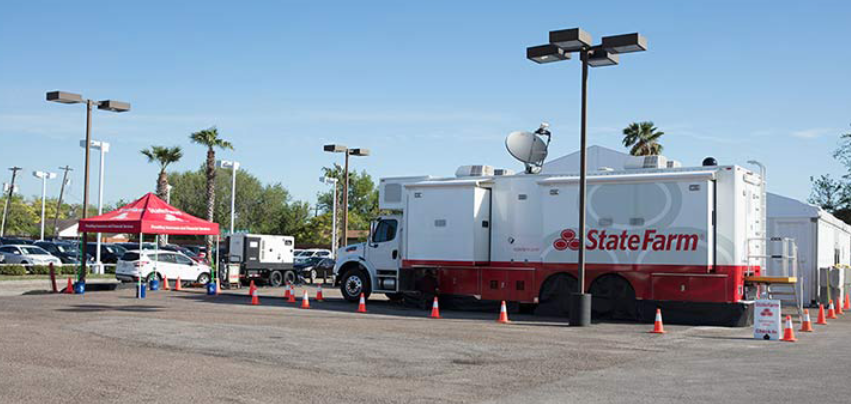
Floods, bushfires, cyclones, severe storms, and other catastrophe events can create an immediate increase in customer enquiries and insurance claims across Australia. When a major event occurs, affected policyholders may urgently need information about coverage, emergency assistance, claim registration, repairs, and next steps.
For insurers, this can place significant pressure on contact centres. Call volumes can increase rapidly, average handling times may rise, and customers may require more detailed and empathetic support. Preparing an insurance catastrophe contact centre before an event occurs can help insurers maintain service quality while responding to a sudden increase in demand.
Why Contact Centre Preparedness Matters
During a catastrophe, customers often contact their insurer at a time of significant uncertainty. They may have experienced damage to their home, vehicle, or other property and need immediate guidance about what to do.
A contact centre that is not prepared for this level of demand can quickly develop long wait times, abandoned calls, backlogs, and inconsistent customer experiences. Agents may also become overwhelmed, particularly when they have to handle complex claims-related conversations while managing increased volumes.
Effective preparation gives insurers the flexibility and resources required to respond when demand suddenly changes.
Build a Disaster Contact Centre Planning Strategy
Effective disaster contact centre planning should begin before the catastrophe occurs. Insurers should assess their exposure to different types of events and use historical information to understand how customer demand could change.
Planning should consider potential call volumes, staffing requirements, technology capacity, customer communication, escalation procedures, and support for vulnerable policyholders.
Insurers can also create predefined response plans for different levels of demand. A moderate event may require additional staffing for a short period, while a major catastrophe could require significant additional capacity across claims and customer service operations.
Having these plans ready allows teams to respond quickly rather than developing processes during the event itself.
Prepare for a Claims Call Surge
A claims call surge can occur immediately after a catastrophe. Customers may call to report damage, ask whether they are covered, check claim status, request emergency assistance, or understand what documentation is required.
Insurers should prepare contact centres for both higher call volumes and longer conversations. Customers affected by a catastrophe may need more reassurance and explanation than customers making routine enquiries.
Self-service options can help manage simple requests, but customers with complex or urgent situations should have access to trained agents who can provide appropriate assistance.
Use Catastrophe Workforce Management
Catastrophe workforce management is essential for scaling contact centre capacity during periods of high demand. Insurers should have access to flexible staffing options that allow them to increase capacity quickly.
This may include cross-trained employees, flexible scheduling, remote support, additional shifts, and appropriately trained temporary resources. Employees from other areas of the organisation may also be trained in advance to support selected customer service processes when necessary.
Workforce planning should also consider employee wellbeing. Catastrophe events can create intense pressure for customer service teams, particularly when agents are supporting customers who have experienced significant losses.
Use Forecasting to Predict Demand
Technology and historical data can help insurers forecast potential contact centre demand. Previous catastrophe events can provide useful information about call volumes, common customer questions, claims activity, and the duration of increased demand.
AI and predictive analytics can enhance this process by combining historical information with current event conditions and customer data. This can help insurers estimate where demand is likely to increase and when additional resources may be required.
Forecasting allows contact centres to prepare before queues become unmanageable.
Strengthen Insurance Support Readiness
Insurance support readiness also depends on giving agents the information they need to support customers effectively.
During a catastrophe, agents may need access to updated information about claims procedures, emergency assistance, coverage questions, assessment timelines, repair arrangements, and regional conditions.
A centralised knowledge base can help agents find accurate information quickly. AI-powered agent assistance can further support employees by surfacing relevant information, summarising customer histories, and helping identify appropriate next steps.
This can improve consistency while reducing the time agents spend searching for information.
Provide Proactive Customer Communication
Not every customer needs to contact the contact centre for assistance. Proactive communication can reduce unnecessary demand by answering common questions before customers make contact.
Insurers can send updates about claim registration, assessment timelines, emergency support, expected delays, and documentation requirements. Digital claims portals and automated notifications can also give customers visibility into the progress of their claims.
When customers know what is happening and what to expect, they may be less likely to contact the insurer repeatedly for updates.
Create Omnichannel Support
An effective insurance catastrophe contact centre should not rely entirely on voice calls. Digital channels such as chat, mobile applications, online portals, email, and automated messaging can provide additional ways for customers to access information.
These channels should be connected wherever possible. If a customer moves from digital self-service to a contact centre agent, the agent should have access to relevant information about the customer’s previous interaction.
This reduces repetition and creates a more seamless customer journey.
Prioritise Vulnerable Customers
Catastrophe events can create additional challenges for vulnerable policyholders. Some customers may have limited digital access, mobility challenges, financial concerns, or other circumstances that require additional support.
Contact centre plans should include appropriate processes for identifying and supporting customers who need additional assistance. Human support should remain accessible for customers who cannot effectively use digital channels.
This helps insurers maintain an inclusive service approach even when demand is exceptionally high.
Monitor Contact Centre Performance During Events
Preparedness does not end when the catastrophe begins. Insurers should continuously monitor contact centre performance throughout the event.
Metrics such as call volumes, wait times, abandoned calls, average handling time, repeat contacts, escalation rates, and customer feedback can help managers understand whether capacity is sufficient.
If demand begins exceeding available resources, insurers can activate additional workforce capacity or adjust communication strategies.
Learn From Every Catastrophe
After the event, insurers should conduct a structured review of their response. This should examine customer demand, workforce performance, technology effectiveness, communication, claims support, and customer feedback.
The insights gained can be used to improve future disaster contact centre planning and strengthen overall operational resilience.
Organisations such as TP Australia can support insurers by combining customer experience expertise, workforce capabilities, technology, analytics, and operational support to help build resilient contact centres prepared for sudden increases in customer demand.
Conclusion
Catastrophe events can place enormous pressure on Australian insurance contact centres. Without preparation, sudden increases in calls and claims can lead to long wait times, overwhelmed employees, and frustrated policyholders.
A proactive insurance catastrophe contact centre strategy combines effective disaster contact centre planning, flexible catastrophe workforce management, demand forecasting, proactive communication, and strong insurance support readiness. By preparing before an event occurs, insurers can respond faster, support customers more effectively, and maintain service quality when it matters most.
FAQs
What is an insurance catastrophe contact centre?
An insurance catastrophe contact centre is a customer service operation prepared to handle significantly increased enquiries and claims following major events such as floods, bushfires, cyclones, and severe storms.
How can insurers prepare contact centres for catastrophes?
Insurers can prepare through demand forecasting, flexible staffing, cross-training, technology planning, proactive customer communication, and predefined disaster response procedures.
What is disaster contact centre planning?
Disaster contact centre planning involves preparing people, processes, technology, and communication strategies to maintain customer support during major events that significantly increase service demand.
What is catastrophe workforce management?
Catastrophe workforce management involves planning and deploying additional contact centre capacity when a disaster causes a sudden increase in customer enquiries and claims.
How can insurers manage a claims call surge?
Insurers can manage a claims call surge through flexible staffing, digital self-service, proactive notifications, AI-enabled agent support, demand forecasting, and clear escalation processes.
What is insurance support readiness?
Insurance support readiness refers to an insurer’s ability to quickly provide customer service and claims support during high-demand events using prepared employees, technology, processes, and information.
How can AI help insurance contact centres during catastrophes?
AI can help forecast demand, automate routine enquiries, assist agents with relevant information, analyse customer interactions, and identify emerging service issues during periods of high demand.
