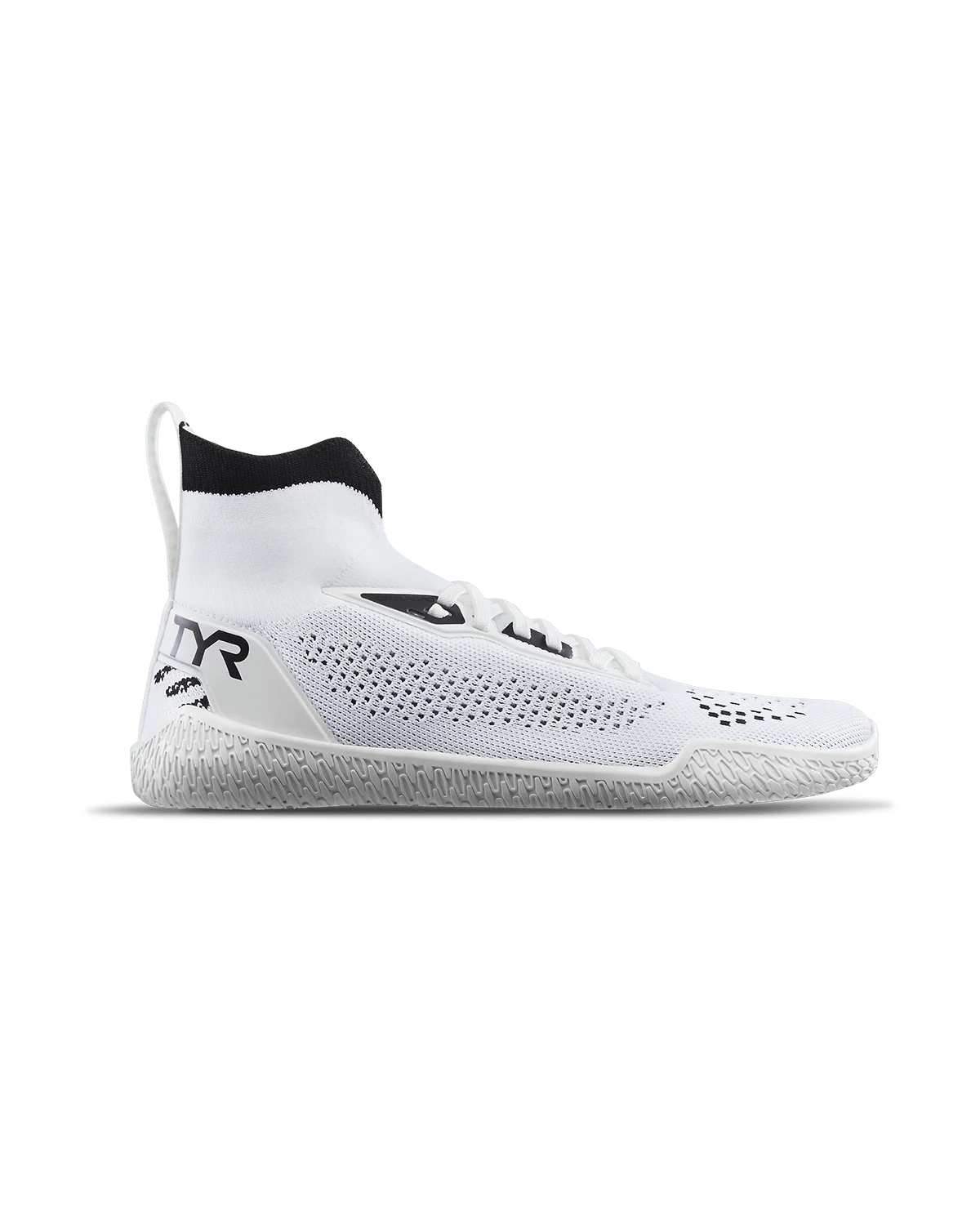
Choosing training footwear involves more than checking the sole, cushioning and overall appearance. The height of a shoe’s upper can also influence how it feels around the ankle, how securely it fits and how freely the foot moves. High-top shoes have a collar that extends further up the ankle than the collar on conventional low-top designs. This construction appeals to some athletes who prefer additional coverage, a close-fitting upper or a particular style of training shoe. However, a higher collar does not automatically make footwear more supportive or prevent ankle injuries.
Before choosing a pair, consider the activities you perform, your preferred range of movement and how the shoe fits your foot. Browse the high top shoes collection to compare available designs and assess their construction. Pay attention to the collar shape, fastening system, sole design and intended use rather than focusing on height alone. These features work together to determine how the shoe feels during exercise. A suitable pair should match your training requirements while remaining comfortable throughout your session.
1. What Are High-Top Training Shoes?
High-top training shoes have an upper that rises further around the ankle than a typical low-top shoe. The collar may sit around or above the ankle area, depending on the model and its construction. Some designs include additional padding or structured materials around the upper, while others prioritise flexibility and a close fit. These differences affect the way each shoe feels, so high-top footwear should not be treated as one uniform category. Reviewing the product specifications can help you understand what a particular design offers.
High-top shoes are available in different athletic styles, including designs intended for gym training and general sports use. Their suitability depends on factors such as the outsole, midsole firmness, fastening and upper materials. A shoe with a high collar may still lack the grip or stability required for a particular workout. Likewise, a lower-profile shoe may provide sufficient support for many activities. Choose footwear according to the demands of your training rather than assuming collar height determines overall performance.
2. High-Top and Low-Top Construction Compared
The most noticeable difference between high-top and low-top shoes is the height of the upper. High-top designs cover more of the ankle area, while low-top models leave more of the ankle exposed and generally allow greater freedom around the collar. The practical difference depends on the shoe’s materials, shape and fastening system. A flexible high-top may feel less restrictive than a stiff low-top with a heavily structured upper. It is therefore useful to assess the full design instead of relying on the label.
Low-top training shoes often appeal to people who prefer less material around the ankle. Their lower collar can make it easier to move the ankle without contact from the upper, although actual mobility depends on the construction. High-top shoes may provide a closer sensation around the ankle, but this does not guarantee better stability. The sole, fit and overall structure remain important when choosing footwear for loaded exercises or dynamic movement. Both styles can be suitable, provided they match the activity and fit comfortably.
The main differences to compare include:
- Collar height: High-tops cover more of the ankle area, while low-tops leave it more exposed.
- Range of movement: The collar’s shape and stiffness can affect how freely the ankle moves.
- Fastening: Laces and other closure features influence how securely the shoe fits.
- Upper construction: Padding, material thickness and flexibility affect comfort around the ankle.
- Overall design: Sole firmness, grip and intended use matter regardless of collar height.
3. Ankle Coverage, Mobility and Injury Considerations
Additional ankle coverage may be a preference for athletes who like the feel of a higher collar. Depending on its construction, the upper may provide a closer fit around the ankle or reduce direct contact with some surfaces. However, coverage should not be confused with proven injury prevention. A high collar does not automatically prevent sprains or guarantee that the ankle will remain stable during a sudden change of direction. Injury risk depends on several factors, including movement, training conditions, previous injuries and individual physical characteristics.
Mobility is equally important when selecting high-top training shoes. Some designs use flexible materials that move comfortably with the ankle, while others have a firmer collar that can feel restrictive. A collar that presses against the ankle or limits a necessary movement may be unsuitable for the intended workout. Test how the shoe feels during controlled movements relevant to your training, and check for rubbing or pressure points. If you have a history of ankle injuries or ongoing discomfort, seek guidance from a qualified healthcare professional about suitable footwear and any additional support you may need.
4. Fit and Fastening Features
Fit is central to the comfort and function of high-top shoes. The shoe should hold the heel and midfoot securely without squeezing the toes or creating uncomfortable pressure around the ankle. Because the upper extends higher, collar shape and padding can influence how the shoe feels when the foot bends. A close fit should not restrict circulation or cause rubbing during movement. Check both the fit around the foot and the way the upper sits against the ankle before choosing a pair.
Fastening systems also affect how high-top footwear feels. Laces allow you to adjust tension at different points across the upper, helping you balance a secure fit with comfortable movement. Some designs include additional straps or other closure features, although these vary by model. Tightening the shoe excessively to create a sense of security can cause pressure and discomfort. Adjust the fastening so the foot remains secure without making the collar feel restrictive.
When checking fit, consider the following:
- Make sure the toes have enough room to move comfortably.
- Check that the heel does not lift excessively inside the shoe.
- Assess whether the collar rubs against the ankle during movement.
- Adjust laces evenly to avoid pressure points across the upper.
- Confirm that the shoe feels secure without being uncomfortably tight.
- Review the manufacturer’s size guide, as sizing can vary between models.
5. Which Workouts May Suit High-Top Shoes?
High-top training shoes may suit certain gym and athletic activities, depending on their sole construction and intended purpose. For general strength training, the firmness of the sole and security of the fit are often more relevant than collar height alone. Some athletes may prefer the coverage of a high-top upper, while others find low-top footwear more comfortable during squats, lunges or mobility exercises. Check whether the collar allows the ankle to move naturally through the positions required by your programme. The shoe should feel stable and comfortable during the exercises for which it is designed.
Dynamic workouts introduce additional considerations. Activities involving lateral movement, jumping or quick changes of direction require suitable traction and a secure fit. A high-top collar does not replace these features, and the shoe must still be appropriate for the surface and type of movement. Some high-top models may be too rigid or specialised for activities that demand considerable flexibility. Review the intended use and test the shoe during controlled movements before relying on it for demanding sessions.
6. Grip, Sole Design and Everyday Comfort
The outsole plays an important role in how training shoes interact with the floor. Its rubber compound and tread pattern affect grip, while the overall sole construction influences stability and flexibility. These features are particularly relevant for gym sessions that involve lifting, lunging or changing direction. A higher collar cannot compensate for an outsole that does not suit the training surface. Check the shoe’s intended use and inspect the sole for wear if you already own a pair.
Everyday comfort also depends on materials and construction. Padding around the collar can make the upper feel softer, but excessive bulk may create unwanted pressure or heat. Breathability, shoe weight and the flexibility of the materials can influence how comfortable the pair feels during longer sessions. Consider how the shoe fits with the socks you normally wear for training. The right balance of comfort, grip and mobility will depend on your activities and preferences rather than the height of the upper alone.
7. Choosing Between High-Top and Low-Top Footwear
Your decision should start with the movements you perform most often. High-top shoes may appeal if you prefer additional ankle coverage, while low-top designs can be a better fit for those who want a less restrictive collar. Neither style is automatically superior for every workout. Compare the outsole, sole firmness, fit and intended use before making a decision. If possible, try the shoes with your usual training socks and move through a few controlled exercises to assess comfort.
Your wider training routine may also include activities that require separate clothing and equipment. For swimming, for example, men’s swimwear is designed for aquatic activities rather than gym-based movement. If pool training forms part of your routine, you can also review swimming jammers as a separate category of swimwear. Keeping equipment choices specific to each activity makes it easier to compare the features that matter. The same approach applies to footwear: choose based on fit, movement and the demands of your training.
8. A Buying Checklist for High-Top Shoes
Before buying high-top training shoes, review the product description and identify the features that matter most to your workout. Check the collar height, flexibility, fastening system and materials used around the ankle. Assess the sole for appropriate grip and stability, and confirm that the shoe is intended for your chosen activity. Price and appearance may influence your decision, but they should not replace a proper assessment of fit and function. The most suitable pair is one that meets your needs without creating discomfort or unnecessary restrictions.
Use this final checklist when comparing options:
- Confirm the shoe’s intended activity.
- Check collar comfort and ankle mobility.
- Assess grip, sole firmness and flexibility.
- Make sure the heel, midfoot and toes fit securely.
- Review the sizing guide and return conditions.
- Consider whether the construction suits your regular training sessions.
- Avoid assuming that a higher collar guarantees injury prevention.
Conclusion
High-top shoes offer greater upper coverage around the ankle, but collar height is only one part of choosing suitable training footwear. Fit, fastening, mobility, outsole grip and sole construction all affect how a pair performs during exercise. High-tops may suit athletes who prefer their design, while low-tops can offer a less restrictive feel around the ankle. Neither style guarantees injury prevention, so choose according to your training requirements and comfort. Explore TYR’s high-top footwear collection to compare available options, or contact TYR for further product information.
Frequently Asked Questions
1. What are high-top training shoes?
High-top training shoes have an upper that extends further around the ankle than a low-top design. Their suitability depends on fit, collar flexibility, sole construction and the activities for which they are intended.
2. Do high-top shoes prevent ankle injuries?
No. A higher collar does not automatically prevent ankle sprains or other injuries. Injury risk depends on several factors, and footwear should be chosen alongside appropriate training practices and professional advice when needed.
3. Are high-top shoes suitable for gym workouts?
They can be suitable for some gym workouts if the sole, grip and fit match the exercises. Check that the collar allows the movement required by your training and does not create pressure around the ankle.
4. Are high-top shoes better than low-top shoes?
Neither style is universally better. High-tops provide more ankle coverage, while low-tops generally expose more of the ankle. The right option depends on comfort, mobility, construction and intended activity.
5. How should high-top training shoes fit?
The heel and midfoot should feel secure, with adequate room around the toes. The collar should sit comfortably without rubbing or restricting movement, and the fastening should hold the foot without excessive pressure.
