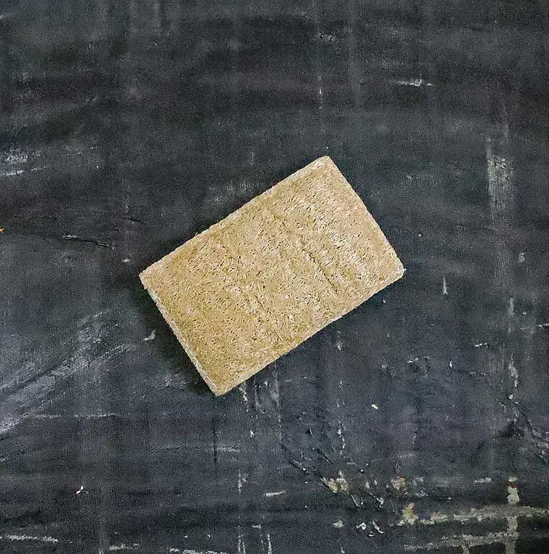
The kitchen sink is one of the busiest areas in a home. Plates, cups, cookware, countertops, and utensils all need regular cleaning, which means sponges and other cleaning tools can see plenty of daily use.
Choosing a reusable or plant-based cleaning accessory can be one way to rethink that routine. An eco sponge offers an alternative to conventional kitchen sponges and can be incorporated into everyday dishwashing and surface cleaning.
Why the Kitchen Sponge Matters
A sponge may seem like a small household item, but it can become one of the most frequently used cleaning products in the kitchen. It may be used several times a day for everything from washing plates to wiping counters.
That makes practical details such as material, texture, cleaning, storage, and replacement worth considering.
An eco friendly dish sponge can provide another option for people who want to rethink the products they use at the sink.
The right choice depends on the type of cleaning you regularly do and the characteristics you want from a sponge.
See also: How AI Is Transforming Everyday Life
Choose a Sponge Based on Your Cleaning Needs
Not every kitchen requires the same type of cleaning tool. Someone who mostly washes plates and glasses may prefer a softer sponge, while a household that regularly cleans cookware may need something with a little more texture.
Think about the surfaces you clean most often before choosing a sponge.
A useful kitchen setup may include one sponge for everyday dishwashing and another tool for jobs that require more scrubbing. Keeping these purposes separate can also make the cleaning routine easier to organize.
Pair an Eco Sponge With Solid Dish Soap
A sponge can work particularly well with bar-based cleaning products. Instead of dispensing liquid soap from a bottle, you can wet the sponge and work it against a solid dish soap bar to create lather.
This creates a simple setup with two reusable or repeat-use components.
The amount of soap needed will depend on the dishes and the product itself. Start with a small amount and add more only when necessary.
Keeping the soap bar on a draining dish can also help prevent it from sitting in standing water.
Keep the Sponge Clean Between Uses
Because a kitchen sponge comes into frequent contact with food residue, grease, and water, cleaning and storage deserve attention.
After washing dishes, rinse the sponge thoroughly to remove food particles and excess soap. Squeeze out excess water and place it somewhere that allows it to dry.
Avoid leaving the sponge submerged in the sink or sitting in a pool of water.
Good airflow can help the sponge dry more effectively between uses. A dedicated holder or raised surface can provide a simple place to store it.
Consider a Loofah Dishwashing Sponge
An eco sponge is not the only alternative available for kitchen cleaning. A loofah dishwashing sponge can also be used for certain dishwashing tasks.
Loofah has a naturally textured surface that can provide useful scrubbing action. It can be particularly handy for dishes that need more attention than ordinary plates and glasses.
A loofah for dishes can be paired with solid dish soap as part of a straightforward sink setup.
As with any cleaning tool, rinse it after use and store it where it can dry properly.
Use Different Tools for Different Jobs
One sponge does not have to handle every cleaning task in the kitchen.
For example, a soft sponge may be suitable for plates and cups, while a brush may be more convenient for bottles, cookware, or narrow containers.
A dish cleaning brush can provide better access to areas that are difficult to reach with a flat sponge.
Using the right tool for each task can reduce unnecessary scrubbing and make the overall cleaning process easier.
Be Mindful of Delicate Surfaces
Before using a textured sponge on cookware, countertops, or other surfaces, check whether the material is appropriate.
Some surfaces can scratch more easily than others. A tool that works well on a sturdy cooking pan may not be suitable for delicate glassware or a sensitive countertop.
When in doubt, use a gentler sponge and test the tool on a small area first.
This is particularly relevant when trying a new type of natural or textured cleaning product.
Reduce Unnecessary Product Use
A more thoughtful kitchen routine is not necessarily about using more cleaning products. In many cases, using the right amount of soap and the appropriate tool can make cleaning simpler.
Start with a small amount of dish soap and increase it only if needed. For lightly soiled dishes, excessive soap may not provide any practical advantage.
Similarly, soaking dishes with dried-on food can reduce the amount of scrubbing required.
These habits can work alongside an eco sponge without adding extra steps to the daily routine.
Keep Food Waste Out of the Sink
Before washing dishes, scrape leftover food into the appropriate waste container.
Large food particles can make the sponge dirty more quickly and may also contribute to clogged drains.
Removing food residue first means the sponge can focus on the remaining grease and particles rather than handling large pieces of food.
This simple habit can make dishwashing more efficient and keep the sink area cleaner.
Give Your Sponge a Place to Dry
Storage is one of the easiest things to overlook when choosing a kitchen sponge.
A sponge that stays wet for long periods can become unpleasant to use. Instead of leaving it flat at the bottom of the sink, give it a designated spot where excess water can drain away.
A raised holder, draining tray, or similar setup can help.
The same principle applies to other reusable kitchen tools. Keeping them clean and allowing them to dry between uses can make the sink area easier to maintain.
Know When to Replace a Sponge
Reusable does not mean a cleaning tool lasts forever. A sponge should be replaced when it becomes excessively worn, damaged, or difficult to clean properly.
Regular inspection can help you determine when it has reached the end of its useful life.
The replacement schedule will vary depending on how frequently the sponge is used and what it is used to clean. Heavy daily use can naturally result in more wear than occasional use.
Following the product’s care recommendations can also help you understand how to maintain it.
Build a Simple Kitchen Cleaning Setup
A practical sink area does not require dozens of products. A solid dish soap bar, an eco sponge, and perhaps a brush or textured loofah can cover many everyday cleaning tasks.
Keeping each item in a designated place also makes the routine easier to follow.
For households that prefer solid cleaning products, an eco dishwashing soap can complement the setup without requiring a traditional liquid soap bottle.
The idea is to choose a small number of useful tools rather than accumulating products that perform similar jobs.
A Practical Change for Everyday Cleaning
An eco sponge can be a straightforward addition to a kitchen cleaning routine. Its usefulness ultimately depends on choosing the right type for your dishes, caring for it properly, and replacing it when necessary.
Pairing it with solid dish soap, using separate tools for different cleaning jobs, and allowing everything to dry between uses can create an organized sink area without making dishwashing more complicated.
For households exploring different kitchen-cleaning options, an eco sponge offers one practical place to start.
