Conveyor systems are essential in many industrial operations. They move raw materials, components, packages, and finished products from one location to another, helping businesses maintain efficient production and material-handling processes.
Because conveyors often operate continuously, their drive systems must be selected carefully. The motor is one of the most important components because it provides the mechanical force needed to move the belt, rollers, or other conveying mechanism.
When conveyors are installed in environments where flammable gases, vapors, or combustible dust may be present, additional attention must be given to equipment suitability and safety requirements.
Read Also : Technical Drying Services: Applications, Methods and Industrial Uses
Understanding the Conveyor Application
Every conveyor has its own operating characteristics.
The required motor depends on factors such as conveyor length, belt speed, material weight, incline, starting conditions, and operating schedule.
A conveyor transporting lightweight products on a short horizontal path may have very different requirements from one carrying heavy materials over a long distance.
The complete application should therefore be assessed before choosing a motor.
Why Motor Protection Matters
In certain industrial environments, ordinary electrical equipment may not be suitable.
Potentially hazardous areas can contain flammable substances that create additional risks around electrical equipment. Motors intended for these environments are designed with specific protection features according to their applicable standards and certifications.
The exact requirements depend on the facility, hazardous-area classification, local regulations, and equipment specifications.
Explosion-Proof Motor Applications
Explosion-proof motors are designed for applications where special protection against ignition hazards is required.
These motors may be considered for certain conveyor systems operating in industries such as chemical processing, petroleum-related operations, manufacturing, and other facilities with potentially hazardous atmospheres.
However, the motor should never be selected based only on the phrase “explosion-proof.” The equipment must be appropriate for the actual hazardous-area classification and operating conditions.
Evaluating Conveyor Load
The conveyor’s load characteristics should be carefully evaluated.
Important considerations can include:
- Total material weight
- Conveyor length
- Belt or roller speed
- Incline
- Starting frequency
- Continuous or intermittent operation
- Mechanical transmission system
- Environmental conditions
These factors help determine the required motor performance.
Starting Requirements
A conveyor can require significant torque during startup, particularly when heavily loaded.
The motor and drive system therefore need to be evaluated for the conditions experienced during starting and acceleration.
If the system starts and stops frequently, the duty cycle becomes another important consideration. The motor should be suitable for the actual operating pattern rather than only the normal running condition.
Environmental Conditions
The environment surrounding a conveyor can have a major influence on motor selection.
Dust, humidity, heat, chemicals, and potentially explosive atmospheres may require specific motor protection.
For this reason, engineers should identify the site conditions before selecting equipment. Manufacturer documentation and applicable safety standards should also be reviewed.
Installation and Wiring
Even a correctly specified motor can present problems if it is installed incorrectly.
Electrical connections, grounding, mounting, alignment, and cable selection should be completed according to the applicable requirements and manufacturer’s instructions.
In hazardous locations, installation should receive particular attention because the motor and associated electrical components must work together as part of the overall protection system.
Inspection and Maintenance
Preventive maintenance can help support reliable conveyor operation.
Depending on the motor and application, maintenance may include checking bearings, electrical connections, mounting bolts, ventilation areas, and operating temperature.
In hazardous environments, inspection procedures should also follow the applicable safety requirements. Unauthorized modifications should be avoided because they may affect the equipment’s protective characteristics.
Choosing Equipment for the Application
A suitable motor should meet both the mechanical requirements of the conveyor and the environmental requirements of the installation.
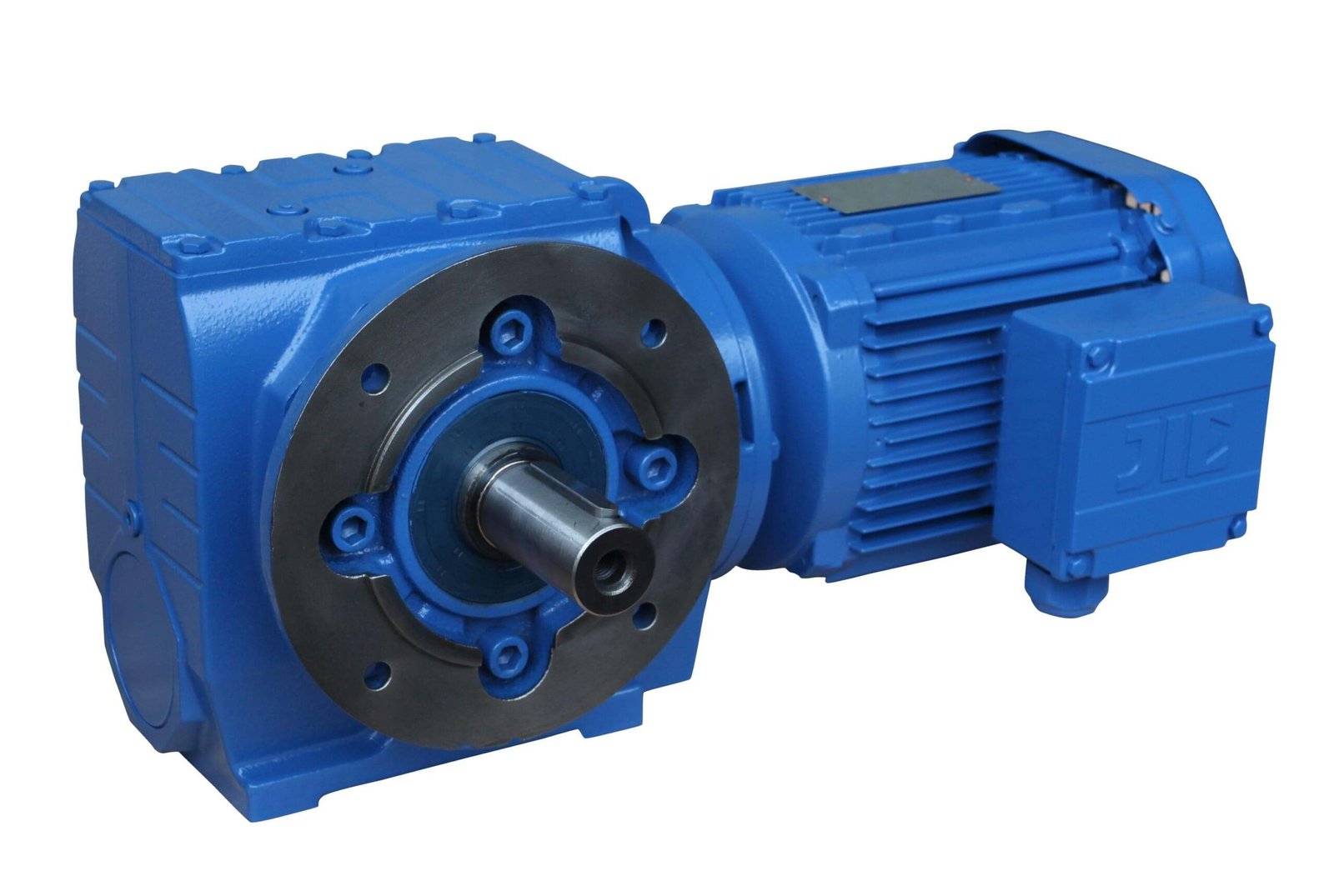
Businesses evaluating specialized equipment can review XCMOTOR YBSD explosion-proof conveyors motors as one source of product information while comparing technical specifications with their project requirements.
The final choice should always be based on the complete application and applicable standards.
Common Factors to Review
Before purchasing a conveyor motor, operators and engineers can review:
- Motor power
- Voltage
- Frequency
- Speed
- Starting characteristics
- Conveyor load
- Duty cycle
- Hazardous-area classification
- Protection requirements
- Mounting configuration
- Maintenance access
This approach reduces the possibility of overlooking an important requirement.
Frequently Asked Questions
1. Why might a conveyor require specialized motor protection?
Some conveyors operate in environments where flammable gases, vapors, or combustible dust may be present. In such locations, electrical equipment may need specialized protection based on the site’s hazardous-area classification.
2. Does every conveyor need an explosion-proof motor?
No. The requirement depends on the environment and applicable safety classification. Equipment should be selected according to the actual conditions of the installation.
3. What should be checked before installing a conveyor motor?
Engineers should verify electrical compatibility, mechanical requirements, load characteristics, environmental conditions, mounting, wiring, and applicable safety requirements.
Conclusion
Conveyor motors must be selected according to both the mechanical demands of the conveying system and the environment in which the equipment operates.
When potentially hazardous conditions are present, protection requirements become especially important. Careful evaluation of load, speed, starting conditions, environmental classification, installation, and maintenance can help businesses establish a safer and more dependable conveyor system.
